Fauna and Flora

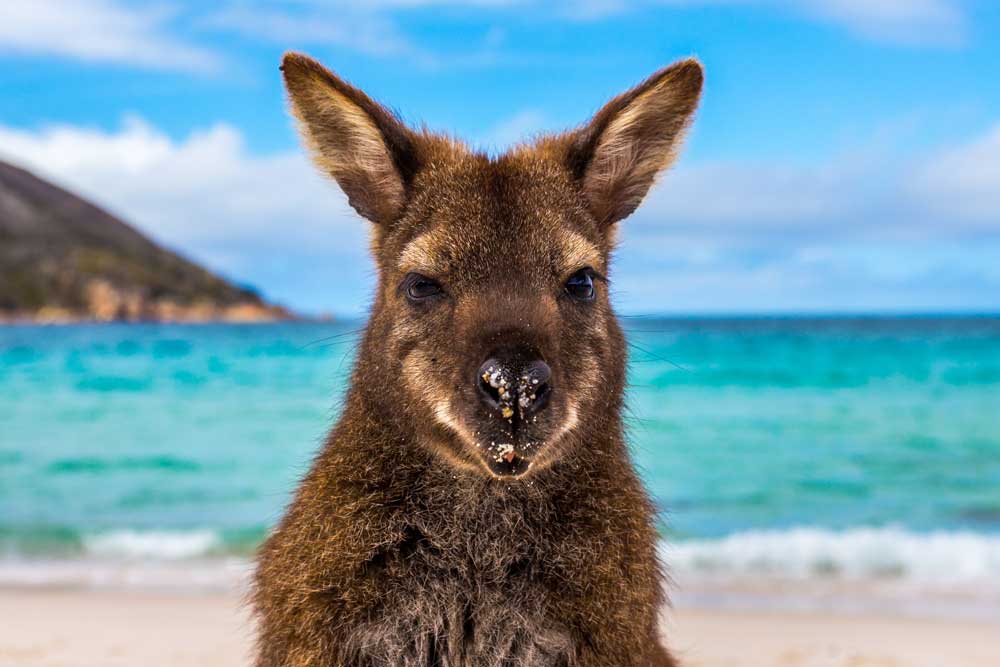
The fauna of Australia is formed by a great variety of animals: 83% of mammals, 89% of reptiles, 90% of fish and insects and 93% of animals that inhabit the continent and the states endemic to the country. I mean, you’re only going to find a natural way in Australia. As you can see, there is a great variety of rare animals in Australia.

Many of the Australian animals are very dangerous and deadly. However, not everything is as they tell you. It is true that there are dangerous animals in Australia, but crossing them is not normal.

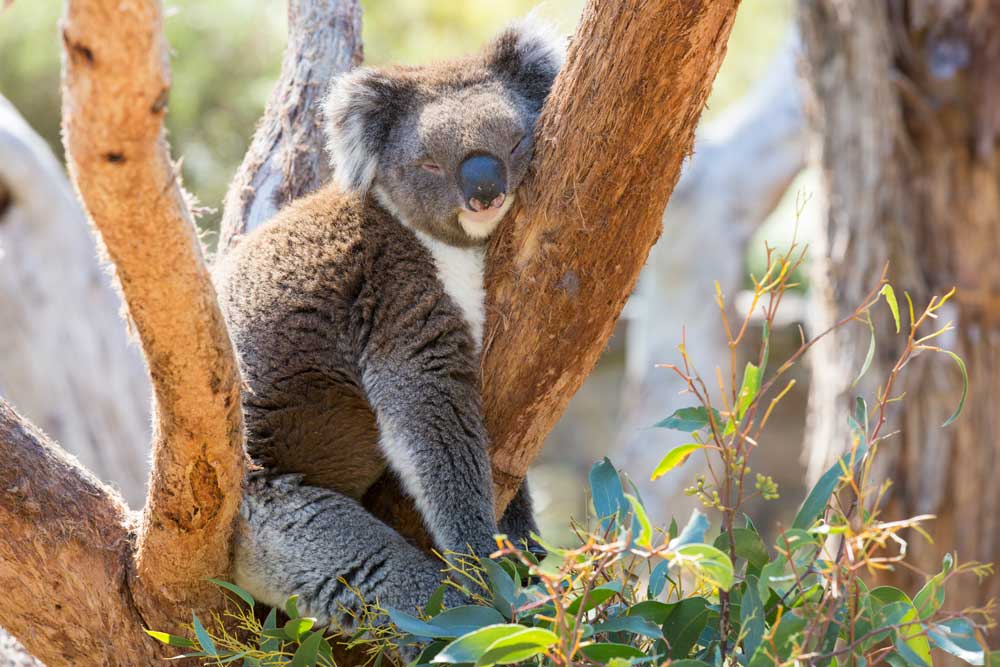
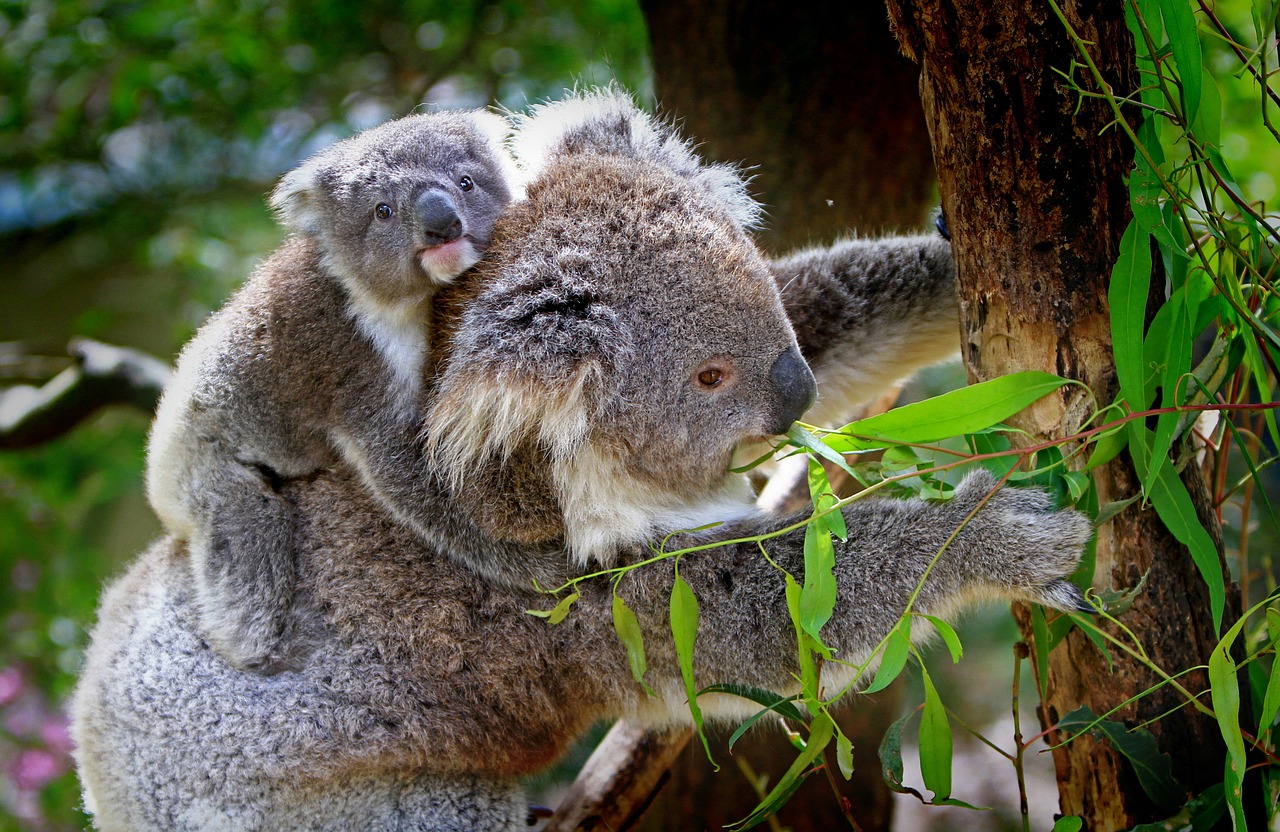
Of course, two of the hallmarks of this country are the beautiful koalas and the friendly and jumping kangaroos. They are very nice and want to take four home but we recommend you try to see them in the distance, except in sanctuaries scattered throughout the country, such as the Lone Pine Koala Sanctuary in Brisbane.

Kangaroos roam freely throughout the country, with an estimated population of 40 million. Koalas are at the opposite extreme and it is estimated that they could disappear before 2025 due to the reduction of their natural species due to the action of man.
There are an astounding 24,000 species of native plants in Australia, making the country’s flora one of our most prized assets. Here are some of the more common species, and where you can spot them in the wild: Acacia (Wattles), Eucalypts, Proteaceae, Melaleuca, Wildflowers, Haemodoraceae, Eremophila.
Language and Climate

Is the Australian accent difficult? In addition to the proper accent of Australian English, there are very characteristic aussie expressions and words.

Australians tend to shorten some words. For example, «football» becomes «footy», television in «telly», afternoon in «arvo» and «barbeche» in «barbie»

«G-day» means «hello, what’s up?» A kangaroo is a «roo», even using diminutives to refer to the Australian geography: «Aussie» is Australia or an Australian, «Goldie» is «Gold Coast» «And» Brissi «is Brisbane.

«Bring a plate» is used in informal invitations in which the guest must bring a plate to share.

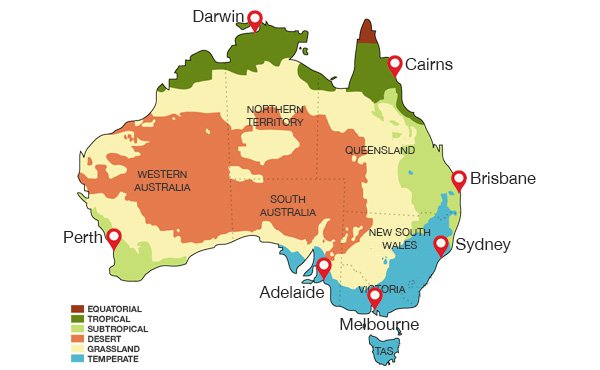
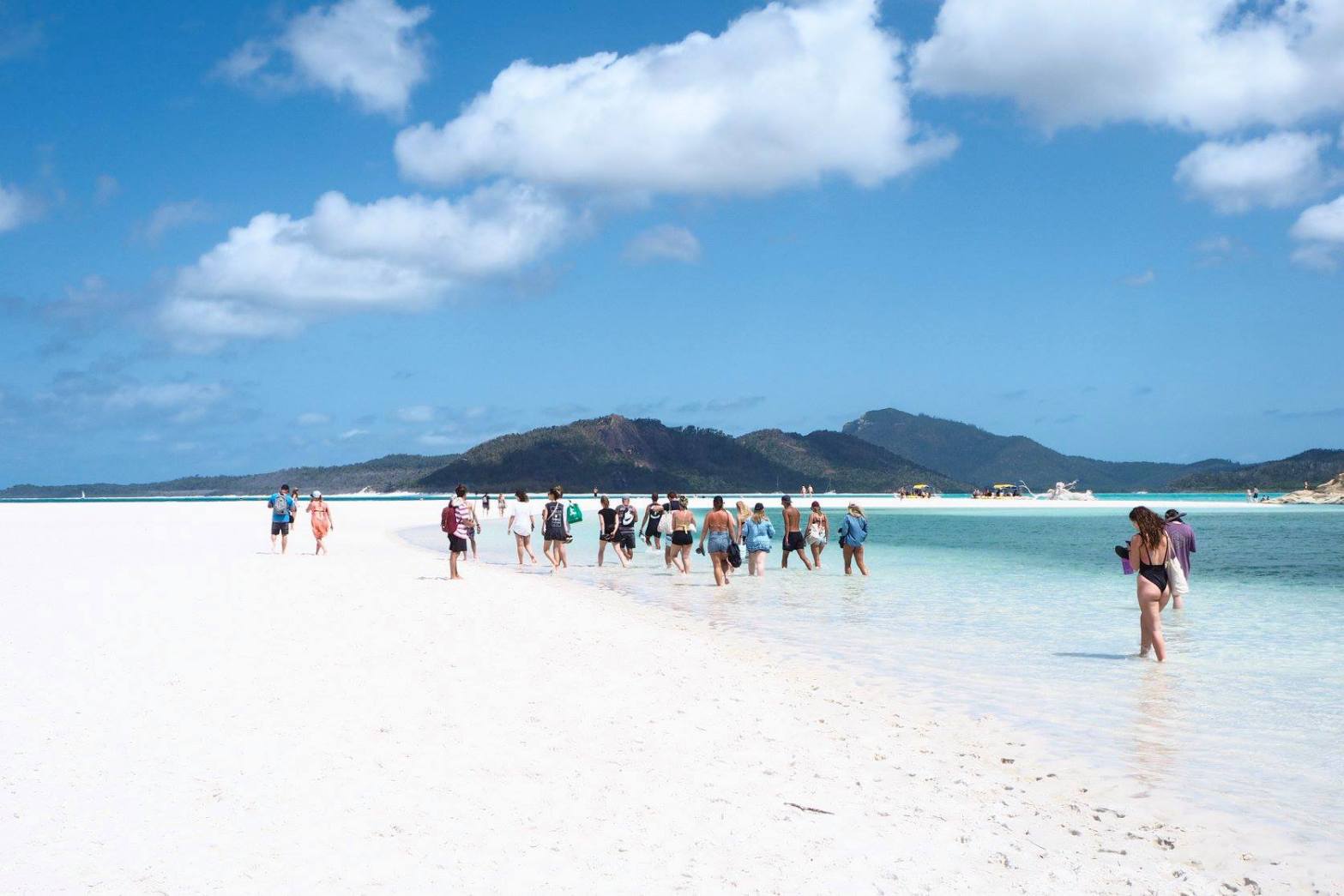
The northern section of Australia has a more tropical influenced climate, hot and humid in the summer, and quite warm and dry in the winter, while the southern parts are cooler with mild summers and cool, sometimes rainy winters.

Music and Cinema

The music of Australia is the music made in the area of, on the subject of, or by the people of modern Australia. This includes its earlier Indigenous and colonial societies. Indigenous Australian music is a part of a 40–60,000 year history which made the didgeridoo. Combinations of Indigenous and Western styles show Australian additions to world music.

Some people who do this are Yothu Yindi, Christine Anu and Geoffrey Gurrumul Yunupingu. Australian folk music and bush ballads such as Waltzing Matildawere influenced by Anglo-Celtic culture. Classical forms came from those of Europe. Current Australian music covers many trends. They are often similar to those of the US, the UK, and similar nations. There are oftem similarities in the Australian rock and Australian country music genres.

The Australian film industry produce a reasonable number of films each year, but in common with other English-speaking countries, Australia has often found it difficult to compete with the American film industry, the latter helped by having a much larger home market. The most successful Australian actors and film-makers are easily lured by Hollywood and rarely return to the domestic film industry.

Since Rupert Murdoch, the head of Fox Studios and an Australian, moved the new Fox studios to Sydney, some US producers have chosen to film at Fox’s state of the art facilities, as production costs in Sydney are well below US costs. Studios established in Australia, like Fox Studios Australia and Warner Roadshow Studios, host large international productions like The Matrix and Star Wars II and III.

MEL GIBSON & STEVE BISLEY MAD MAX (1979)

Gastronomy and Sports

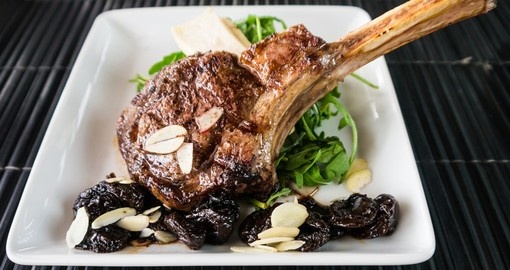
Each wave of immigrants has had an impact, including German, Italian, Greek, Lebanese, Jewish, and Southeast Asian foods and cooking styles. Olive and vegetable oils have replaced dripping and lard, and items such as garlic and Asian condiments are used more commonly. Among the most aussie dishes are: Kangaroo meat, the Buffalo, the crocodile, the beet burger.

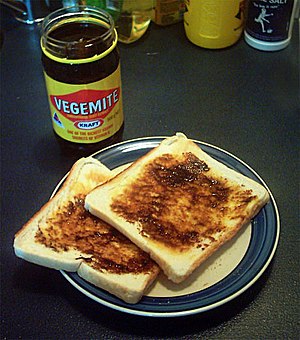
Australian chefs are known worldwide for their «fusion cuisine,» a blending of European cooking traditions with Asian flavors and products. Nevertheless, certain foods are recognized as national emblems, including Vegemite (a yeast extract spread), Milo (a powdered base for chocolate milk drinks), Anzac biscuits (oat biscuits sent to soldiers in World War I), and damper (a wheat flour-based loaf traditionally cooked in the ashes of a fire by settlers).

Sport is one of the most popular activities in Australia, with the country being known for its success in sports, specifically cricket. Social sport is becoming more and more popular with younger generations, with childrens starting to play and train when they are as young as pre-school aged.

Cricket is Summer’s most popular sport. Not only is it played competitively, it is also famously known as a fantastic beach or backyard sport. Let’s face it, nothing can beat a good old game of backyard cricket! 631,000 children and 328,000 adults play the game regularly. Other popular sports in Australia are: Netball, NRL, tennis, AFL, basketball, dancing, soccer, cycling and swimming.

Territory and Commercial Activities

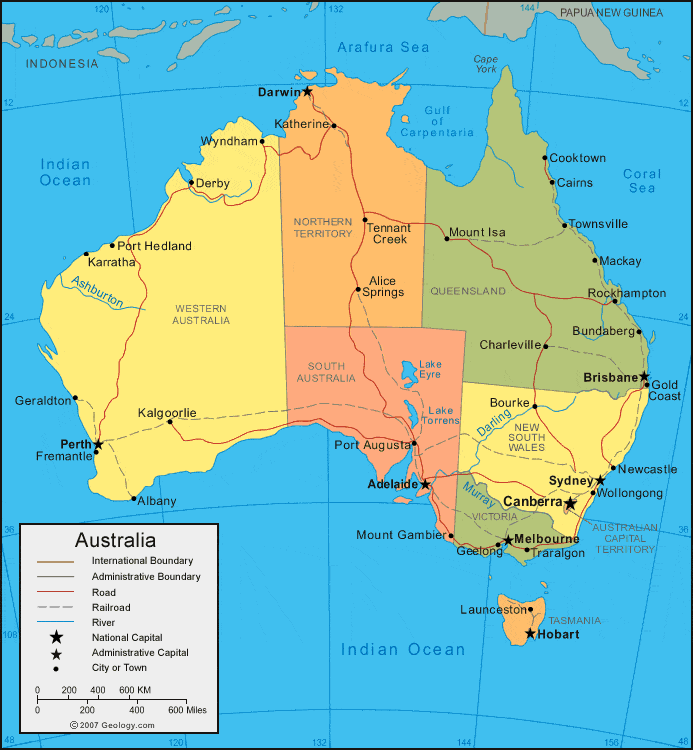
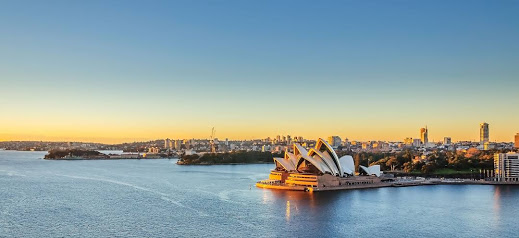
Australia is an island continent in the Southern Hemisphere, lying between Antarctica and Asia. It is surrounded by the Indian Ocean to the west; the Timor, Arafura, and Coral Seas to the north; the Pacific Ocean to the east; and the Tasman Sea and Southern Ocean to the south. Much of the continent is low, flat, and dry. The area of the continent is 2.97 million square miles (7.69 million square kilometers).

Australia has six states (Western Australia, South Australia, Victoria, Tasmania, New South Wales, and Queensland) and two territories (the Northern Territory and the Australian Capital Territory), whose capital cities are, respectively, Perth, Adelaide, Melbourne, Hobart, Sydney, Brisbane, Darwin, and Canberra.

The economy is strong in the service sector in relation to goods-producing industries. Those industries, including agriculture, forestry, fishing, mining, manufacturing, construction, and energy. Goods-producing industries provided around a quarter of employment, with the rest provided by service industries.

Service industries include distribution industries (wholesale trade, retail trade, accommodation, cafés and restaurants, and transport and storage) and communication and business services (communications, finance and insurance, and property services). Other service industries are government administration and defense, education, health and community services, and cultural and recreational services.

Lifestyle and Schedule

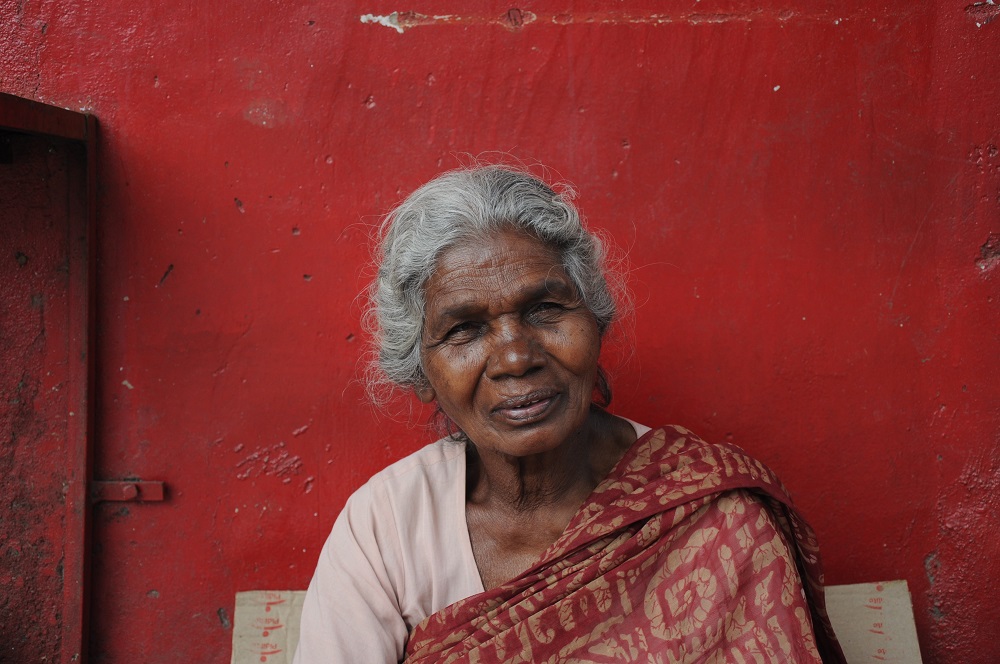
Something that definitely defines the Australian lifestyle is its multiculturalism. In addition to the famous spirit «A fair go» (The fair treatment or the equal opportunity that the Australians give to the equality of opportunities), they appreciate the effort of work and the talent to achieve goals in life and not so much luck or inheritance.

His character is friendly and cheerful because they have a strong concept of equality and friendship in which; undoubtedly, it is reflected in the large number of immigrants (25% of the population) arrived over the years.

The lifestyle in Australia consists of being relaxed and carefree «no worries». This attitude is generally known as «laid-back attitude». But Australians get to work between 40 and 44 hours a week even though their full-time workday is 38 hours.

In Australia dawns very soon. Between 4:30 and 6:30, depending on the season. Therefore, it is completely understandable that they regulate their meal times according to their early mornings. Here they eat from 10:30 a.m. to 12:30 a.m. and dinner from 6:00 p.m. to 8:00 p.m.

Urbanism and Architecture

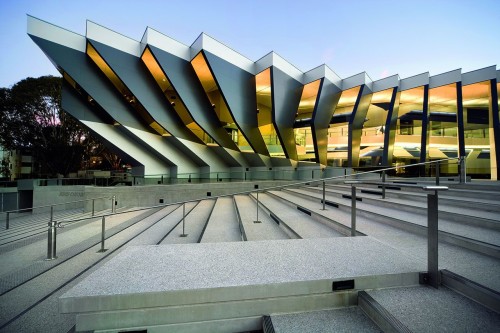
There has always been a high concentration of urban and suburban dwellers, partly because the harsh physical environment has encouraged people to remain close to the fertile coastal areas. Notions of national identity have long been framed around a distinction between the city and the bush, with urban and rural dwellers articulating different economic and social interests.

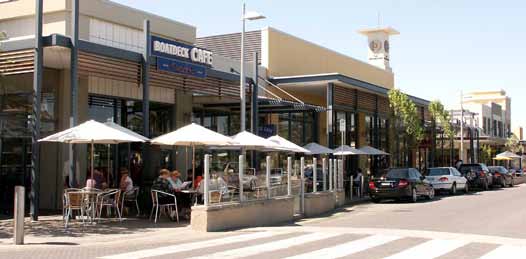
The cities are characterized by low–density housing and dependence on private cars. In recent decades there has been increased inner–city redevelopment aimed at attracting locals and tourists to central public shopping and recreational areas.

Diseña un sitio como este con WordPress.com
Comenzar